
The aged, disabled, and home care sector in South Australia is facing a critical care sector skills shortage. This skill shortage is driven by a combination of factors, including an aging population, increasing demand for care services, and difficulties in recruiting and retaining qualified personnel.
As the population of South Australia continues to age, the demand for aged care, disability support, and home-based services has risen dramatically. However, the supply of skilled workers has not kept pace with this growing demand. This has resulted in understaffing, longer wait times for care, and increased stress on existing care providers.
Several key factors contribute to the skill shortages aged care SA in this sector:
- Lack of awareness and appeal of care work as a career option, particularly among younger generations
- Challenging working conditions, including long hours, physical demands, and emotional strain
- Inadequate training and professional development opportunities for care workers
- Difficulties in attracting and retaining qualified staff due to competitive job markets and better-paying opportunities in other industries
Addressing this crisis will require a multifaceted approach that tackles the various underlying issues contributing to the skill shortages in South Australia's aged, disability, and home care sectors. So in this article, we examine the key challenges and explore potential solutions to ensure the sector is equipped to meet the growing demand for these essential services.
Impact of Skill Shortages on the Community and Sector
The impact of the skill shortages in the aged, disability, and home care sector has been far-reaching, affecting both the community and the sector itself. Here are some of the key impacts:
Reduced Quality and Access to Care
The care sector skills shortage has also had a direct impact on the quality and accessibility of care services. Clients and their families may experience longer wait times, reduced one-on-one attention, and a lower overall standard of care. This can negatively affect the health, well-being, and quality of life of those who rely on these essential services.
Understaffed and Overburdened Care Providers
The skill shortages in the aged, disability, and home care sectors have placed a significant strain on existing care providers. With a lack of qualified staff, those working in the sector often find themselves overwhelmed, working longer hours, and dealing with increased physical and emotional demands. This can lead to burnout, high turnover rates, and a further exacerbation of the staffing challenges.
Increased Pressure on the Healthcare System
As the availability of aged, disability, and home care workforce development is reduced, there is a greater likelihood that clients will require more intensive and costly interventions from the broader healthcare system. This can include more frequent hospital admissions, emergency room visits, and the need for more complex and resource-intensive care.
Consequences for the Local Economy
The care sector skills shortage can also have broader economic implications. A lack of available workers can limit the sector's ability to expand and meet the growing demand, potentially constraining economic growth and limiting employment opportunities in the region. This, in turn, can have ripple effects on the local community and overall economic prosperity.
Career advancement:
The qualification opens doors for career progression within healthcare. You can pursue further studies, specialise in specific areas, or move into supervisory roles, all leading to potential salary increases.
Financial benefits:
With increased experience and qualifications, your salary potential grows. Studies have shown individuals with Cert III in Individual Support can earn significantly more than those without the qualification.
Identifying Key Areas of Need
The aged, disability, and home care sector in South Australia is facing critical shortages across a range of key roles and positions, including:
Direct Care Workers:
There is a significant shortage of frontline caregivers such as personal care assistants, home health aides, and nursing assistants who provide hands-on support for the daily living activities of elderly and disabled clients.
Nurses:
The sector is experiencing a lack of registered nurses and licensed practical nurses to oversee medical care, administer medications, and coordinate care plans for clients.
Therapists:
There is a shortage of occupational, physical, and speech therapists who are needed to provide specialized rehabilitation and support services.
Administrative Staff:
The sector is also struggling to recruit and retain qualified administrative personnel such as case managers, care coordinators, and program managers who are essential for coordinating and overseeing service delivery.
Addressing these widespread skill shortages across the various roles and positions within the aged, disability, and home care sectors will be crucial to ensuring the community has access to the quality and level of care it needs.
Strategies for Addressing Skill Shortages
To effectively tackle the care sector skills shortage, organizations must consider a multifaceted approach that encompasses both short-term solutions and long-term investments in talent development.
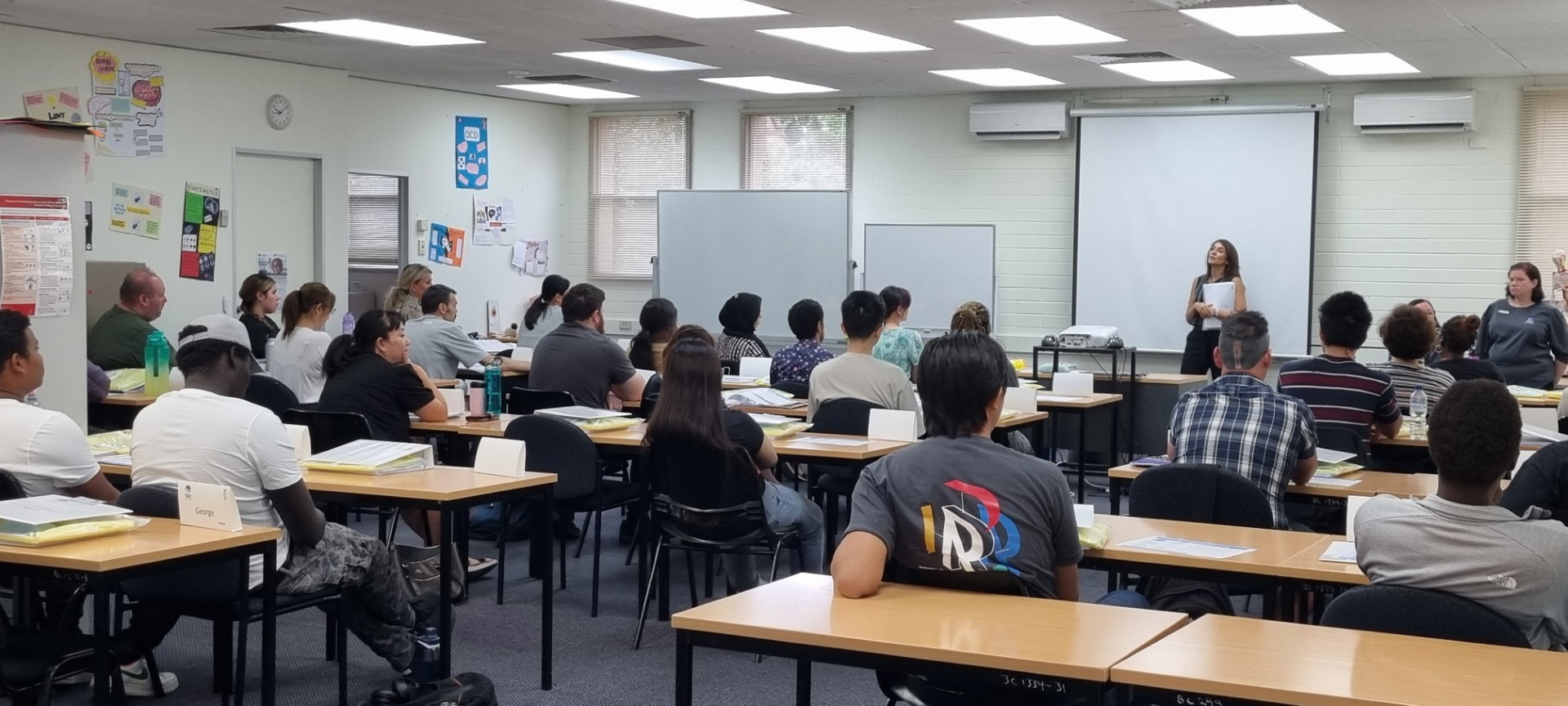
By considering each of these elements comprehensively - from uncovering root causes through strategic hiring tactics toward fostering ongoing learning cultures - businesses can develop holistic approaches to overcome current and future challenges related to skill scarcities.
Promoting Diversity and Inclusion in the Workforce
In today's society, it is increasingly important for organizations to prioritize diversity and inclusion in their workforce. By actively promoting these values, businesses can create a more positive work environment where all employees feel valued and respected. This not only leads to higher employee satisfaction but also contributes to better business outcomes. However, achieving true diversity and inclusion requires ongoing effort and commitment from leadership as well as every individual within the organization.
To make meaningful progress, companies should focus on creating inclusive hiring practices, providing training on unconscious bias, fostering open communication across different groups, and establishing support networks for underrepresented individuals. Organizations must recognize that embracing diversity goes beyond meeting quotas; it involves embracing diverse perspectives and experiences to drive innovation and success.
HR professionals play a critical role in driving initiatives related to diversity and inclusion by implementing policies that promote equal opportunities for everyone at every level of an organization. They are responsible for ensuring fair treatment of all employees regardless of race, gender identity expression disabilities etc., which helps build trust among workers while enhancing the overall company reputation.
By prioritizing these efforts consistently over time -in addition to measuring progress through regular evaluations- companies can establish themselves as leaders in promoting diversity & inclusivity.
Challenges and Opportunities in Training and Education

The aged, disability, and home care sector faces significant challenges in training and educating the workforce needed to meet the growing demand for services. One key challenge is the limited availability of accessible and flexible training programs that can accommodate the diverse learning needs and schedules of potential care workers.
Many individuals interested in pursuing careers in this sector may have other commitments, such as family responsibilities or part-time jobs, that make it difficult for them to enrol in traditional, full-time educational programs. This barrier can deter potential candidates from entering the field, exacerbating the existing skill shortages.
To address this challenge, there is a growing need to develop more innovative and adaptable training approaches. This could include the expansion of online and blended learning options, as well as the integration of hands-on, practical experiences into the curriculum. By leveraging technology and offering flexible learning modalities, training providers can make the necessary education and skills development more accessible to a wider range of individuals.
Additionally, there is an opportunity to strengthen the collaboration between educational institutions, industry partners, and government agencies to ensure that training programs are aligned with the evolving needs of the aged, disability, and home care sectors. This collaboration can help identify and address skill gaps, inform curriculum development, and provide valuable work-integrated learning opportunities for trainees.
Furthermore, there is a need to raise the profile and perceived value of careers in the aged, disability, and home care sectors. By emphasizing the rewarding nature of these roles, the opportunities for professional growth and development, and the positive impact that care workers can have on the lives of their clients, training providers and industry leaders can help attract and retain a talented and dedicated workforce.
By addressing the challenges and seizing the opportunities in training and education, the aged, disabled, and home care sector can build a stronger, more capable, and more resilient workforce to meet the growing demand for high-quality care services.
Additional Considerations and Resources: Taking the Next Step with Norgrove Training
The Certificate III Individual Support Course plays a crucial role in addressing the skill shortages in the aged, disability, and home care sectors. This vocational training program equips individuals with the essential skills and knowledge required to work effectively in these care settings.
The Certificate III disability support SA provides comprehensive training in areas such as personal care, disability support, and aged care services. Participants learn how to assist clients with their daily living activities, manage medication, and implement care plans tailored to individual needs.
Additionally, the course covers topics like infection control, communication strategies, and principles of person-centred care. By completing Certificate III in Community Services SA, individuals gain the necessary competencies to work as frontline caregivers, including personal care assistants, home health aides, and nursing assistants. This helps to address the significant shortage of direct care workers that the sector is currently facing. Furthermore, the course also prepares individuals for roles that require specialized skills, such as occupational therapy assistants and rehabilitation support workers.
Investing in the Certificate III Individual Support Course not only fills immediate South Australia care sector skills gaps but also contributes to the long-term sustainability of the aged, disability, and home care sector. By equipping a pipeline of qualified and skilled workers, the course helps to ensure that the community has access to the high-quality care it requires, now and in the future.
Benefits of Pursuing Certificate III Individual Support Course
Pursuing the Certificate III Individual Support Course offers numerous advantages for individuals seeking to work in the aged, disability, and home care sectors. This vocational training program provides a comprehensive and robust foundation of skills and knowledge that are essential for delivering high-quality care to clients.
One of the key benefits of Certificate III Iin aged care SA is the breadth of competencies it covers. Participants learn a wide range of skills, from providing personal care and assisting with daily living activities to managing medication and implementing personalized care plans. This diverse skillset equips graduates with the versatility to adapt to various care settings and client needs.
Moreover, the course emphasizes the importance of person-centred care, which is a critical aspect of working in the aged, disability, and home care sectors. By learning effective communication strategies, principles of empathy, and the ability to tailor care approaches, individuals gain the necessary skills to provide compassionate and empowering support to their clients.
Beyond the technical skills, the Certificate III Individual Support Course also fosters important soft skills, such as problem-solving, critical thinking, and adaptability. These transferable abilities are highly valued by employers and contribute to the overall professionalism and effectiveness of care workers. Completing the Certificate III Individual Support Course not only enhances an individual's employability but also demonstrates their commitment to the sector and their desire to make a meaningful difference in the lives of their clients. This can be a significant advantage in a job market that is experiencing widespread skill shortages, as employers actively seek out qualified and dedicated care workers.
Overall, the Certificate III Individual Support South Australia provides a comprehensive and enriching learning experience that equips individuals with the necessary skills, knowledge, and mindset to thrive in the aged, disability, and home care sectors. By pursuing this course, individuals can contribute to addressing the critical skill gaps in the industry and play a vital role in delivering high-quality care to some of the most vulnerable members of our community.
Where To Get Certificate III Individual Support Course
The Certificate III Individual Support Course is widely available through various registered training organizations (RTOs) and vocational education providers across Australia. One reputable institution that offers this program is the Norgrove Training Centre of Excellence.
The Norgrove Training Centre of Excellence is a well-established RTO that specialises in cert III aged care training and upskilling individuals for roles in the aged, disability, and home care sectors. Their Certificate III Individual Support Course is designed to provide comprehensive and industry-relevant training to equip learners with the essential skills and knowledge required to work effectively in these care settings.
The course curriculum at the Norgrove Training Centre of Excellence covers a wide range of topics, including personal care, disability support, aged care services, infection control, communication strategies, and the principles of person-centred care. Through a combination of theoretical instruction, practical workshops, and work-integrated learning opportunities, students gain the necessary competencies to thrive as frontline caregivers, such as personal care assistants, home health aides, and nursing assistants.
One of the key strengths of the Norgrove Training Centre of Excellence is its strong industry partnerships and commitment to ensuring that its training programs are aligned with the evolving needs of the aged, disability, and home care sectors. This collaboration with employers and industry bodies enables the centre to identify and address skill gaps, inform curriculum development, and provide valuable work-integrated learning experiences for their students.
By completing the Certificate III Individual Support Course at the Norgrove Training Centre of Excellence, individuals not only gain the essential skills and qualifications required for employment in the sector but also demonstrate their dedication to providing high-quality, person-centred care. This can be a significant advantage in a job market that is experiencing widespread skill shortages, as employers actively seek out qualified and committed care workers to join their teams.
Looking Towards the Future: Sustainable Solutions

Addressing the crisis of the care sector skills shortage requires a multifaceted approach that combines efforts to attract, train, and retain a diverse and skilled workforce. By assessing the industry needs and designing targeted training programs that equip individuals with the necessary skills and competencies, educational institutions like Norgrove Training Centre of Excellence can play a crucial role in developing a sustainable pipeline of qualified caregivers to meet the growing demand for high-quality care in the sector. With targeted training programs, such as the Certificate III Individual Support Course, support workers can be equipped with the necessary skills and knowledge to make a meaningful contribution as frontline caregivers in these vital care settings.
For more information, visit https://norgrovetraining.com.au/ or call 08 8III61 9969 Contact us